
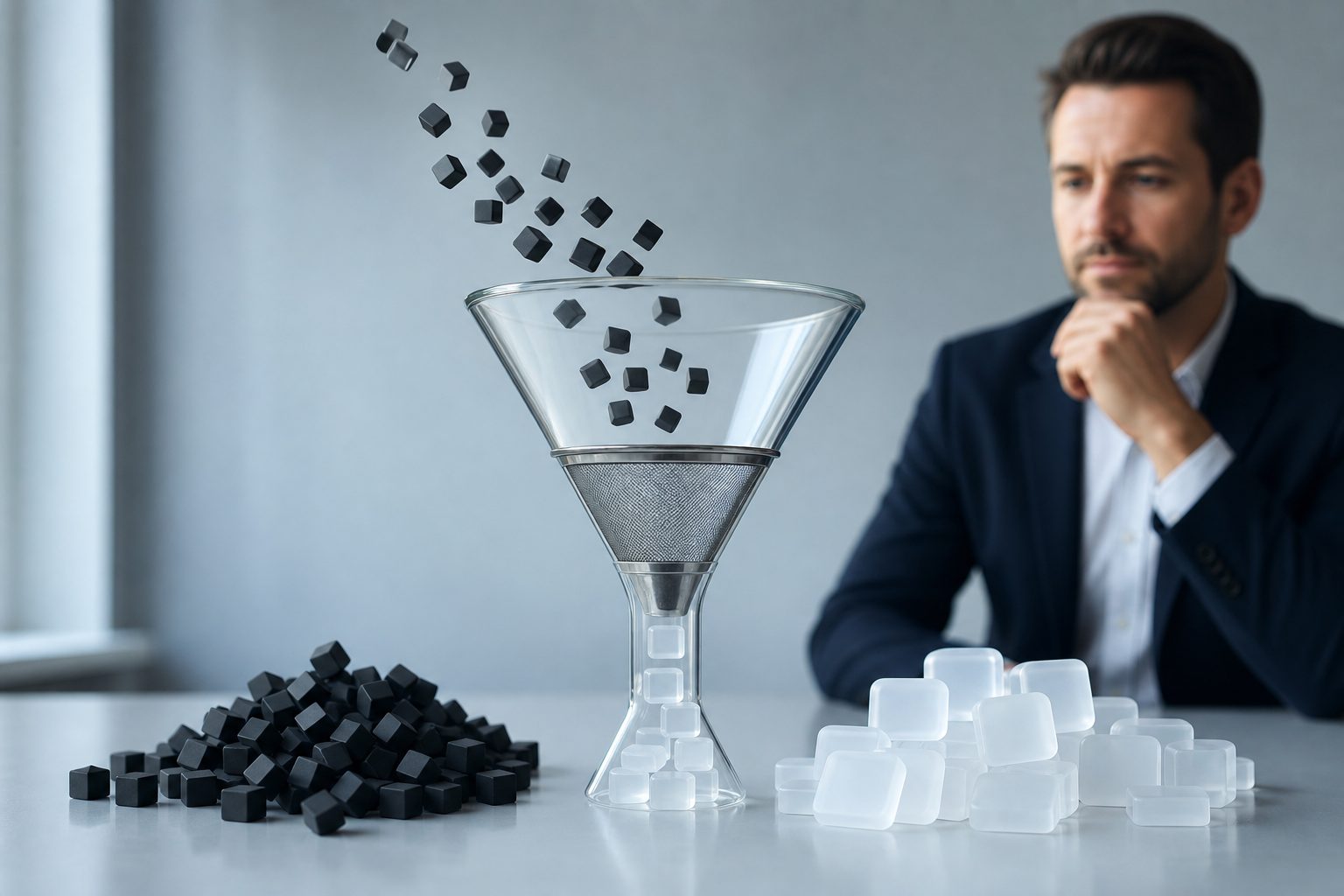
If you have ever searched what is product landing page, the simple answer is this: it is a focused web page built to promote one product and persuade visitors to take one clear action. That action may be buying the product, joining a waitlist, starting a free trial, requesting a demo, or downloading a product guide. Unlike a general website page, a product landing page removes distractions and guides people toward a specific decision. It explains what the product does, why it matters, who it is for, and why the visitor should act now. In this guide, you will learn the meaning of a product landing page, why it matters, what to include, how to create one, common mistakes to avoid, practical examples, best practices, and answers to common questions.
Product Landing Page Meaning
A product landing page is a standalone page designed around one product, one audience, and one conversion goal. It may be used in paid ads, email campaigns, product launches, social media promotions, or search engine marketing.
The main job of the page is to make the product easy to understand. Visitors should quickly know what the product is, what problem it solves, and why it is worth their attention.
A strong product landing page is not just a sales page. It combines messaging, design, proof, usability, and conversion strategy into one focused experience.
For example, a software company may create a landing page for a new project management tool. The page would show the core benefit, important features, pricing cues, screenshots, testimonials, and a clear trial button.
The best takeaway is simple: a product landing page helps turn interest into action by answering the visitor’s most important questions in a clear and persuasive way.
Why Product Landing Pages Matter
Product landing pages matter because they give visitors a focused path instead of sending them into a busy website where they may get lost or distracted.
- Higher Conversions: A focused page can improve signups, sales, and demo requests because every section supports one main action.
- Clearer Messaging: The page explains the product in simple terms, which helps visitors understand value faster.
- Better Campaign Results: Ads and emails usually perform better when they lead to a page that matches the offer.
- Stronger Product Positioning: A dedicated page lets you highlight the product’s unique benefits and audience fit.
- Easier Testing: Teams can test headlines, calls to action, layouts, and proof points without changing the whole website.
Key Elements Of A Product Landing Page
Most high-performing product landing pages share a few important building blocks. Each element should help visitors move from curiosity to confidence.
1. Clear Hero Message
The hero message is the first thing visitors see, so it must explain the product’s value quickly. A good headline focuses on the outcome, not just the product category. It should make people feel they are in the right place within a few seconds.
2. Strong Call To Action
The call to action tells visitors what to do next. It should be visible, specific, and connected to the page goal. Instead of vague wording, use action language that matches the offer, such as starting a trial, booking a demo, or buying the product.
3. Benefit Driven Copy
Features explain what the product has, but benefits explain why those features matter. A product landing page should connect product details to real user outcomes, such as saving time, reducing cost, improving quality, or making a difficult task easier.
4. Product Visuals
Product visuals help visitors see what they are considering. Screenshots, interface previews, product photos, or short descriptions of the experience can reduce uncertainty. The goal is to make the product feel concrete, usable, and relevant to the visitor’s situation.
5. Social Proof
Social proof shows that other people trust or benefit from the product. This can include testimonials, review snippets, customer counts, case results, awards, or recognizable client names. Proof is especially important when visitors are comparing options or feeling unsure.
6. Risk Reduction
Visitors often hesitate because they fear wasting money, time, or effort. A strong product landing page reduces risk with guarantees, free trials, transparent pricing, security notes, return policies, or simple onboarding details that make the next step feel safer.
How To Create A Product Landing Page
Creating a product landing page is easier when you follow a clear process. The goal is to build the page around the visitor’s decision journey.
- Define The Goal: Choose one main action, such as purchase, signup, demo request, or waitlist registration.
- Know The Audience: Identify who the page is for, what they need, and what objections may stop them.
- Write The Core Message: Create a headline and supporting copy that explain the product’s main value clearly.
- Plan The Page Structure: Arrange sections in a logical order, from problem and benefit to proof and action.
- Add Trust Signals: Include testimonials, results, guarantees, or other credibility points that support the offer.
- Make The Action Easy: Keep forms short, buttons visible, and the conversion path simple on desktop and mobile.
- Review And Test: Check clarity, loading speed, mobile layout, analytics tracking, and conversion performance before scaling traffic.
Examples Of Product Landing Pages
Different products need different landing page angles. These examples show how the same page type can support many business goals.
1. Software Trial Page
A software trial landing page usually focuses on speed to value. It explains the problem, shows the interface, highlights key features, and encourages visitors to start using the tool. The best versions reduce friction by making signup simple and showing what happens next.
2. Ecommerce Product Page
An ecommerce product landing page is built to sell a specific item. It usually includes product photos, benefits, specifications, reviews, shipping details, and a purchase button. The copy should answer practical buying questions while making the product feel desirable and trustworthy.
3. Course Product Page
A course landing page sells knowledge, transformation, or skill improvement. It should explain who the course is for, what students will learn, what is included, and why the instructor is credible. Testimonials and clear outcomes are especially important for education products.
4. Mobile App Page
A mobile app landing page should quickly show what the app helps users do. Screenshots, use cases, ratings, and a simple download path are important. The page should also explain why the app is better or easier than the visitor’s current method.
5. Physical Product Launch Page
A physical product launch page often builds excitement before full availability. It may highlight design, benefits, materials, early access, pricing, and preorder details. Strong visuals and clear product positioning help visitors understand why the launch is worth following.
6. Demo Request Page
A demo request landing page is common for business products with longer sales cycles. It should explain the product’s business value, show relevant proof, and make the demo feel useful. The form should ask only for information needed to qualify and follow up.
Common Product Landing Page Mistakes To Avoid
Small mistakes can lower trust and reduce conversions. Avoiding these issues helps the page stay focused, clear, and useful.
1. Using A Vague Headline
A vague headline forces visitors to work too hard to understand the offer. If the headline could apply to almost any product, it is probably too broad. Make it specific by naming the audience, problem, result, or main product benefit.
2. Adding Too Many Calls To Action
Too many calls to action create decision fatigue. A product landing page should guide visitors toward one main goal, even if the button appears in several places. Secondary actions should be limited and should not compete with the primary conversion path.
3. Focusing Only On Features
Feature-heavy copy can feel cold and technical if it does not explain why those features matter. Visitors want to know how the product improves their life, work, or results. Pair each major feature with a clear practical benefit.
4. Hiding Important Details
If visitors cannot find pricing cues, product fit, delivery details, trial information, or purchase requirements, they may leave. A good landing page answers likely questions before they become doubts. Transparency usually builds more trust than withholding basic information.
5. Ignoring Mobile Users
Many visitors will view the page on a phone, especially from ads, social posts, or email. If buttons are hard to tap, text is cramped, or forms are frustrating, conversions suffer. Mobile layout should be reviewed as carefully as desktop design.
6. Forgetting To Test The Page
Even a good-looking product landing page can underperform if the message, layout, or call to action does not match visitor intent. Testing helps reveal what people actually respond to. Start with simple changes, such as headlines, proof, buttons, and form length.
Best Practices For Product Landing Pages
Best practices give you a practical framework for making the page more persuasive without making it feel pushy or cluttered.
1. Match The Page To The Traffic Source
Visitors should feel continuity between the ad, email, search result, or social post they clicked and the page they land on. Matching the promise, wording, and offer improves trust because people instantly recognize that the page delivers what they expected.
2. Lead With The Main Outcome
The page should quickly explain the result the product helps create. This does not mean exaggerating claims. It means making the practical value clear, whether the product helps users save time, organize work, look better, learn faster, or make smarter decisions.
3. Keep The Layout Easy To Scan
Most visitors scan before they read carefully. Use short paragraphs, clear headings, visible calls to action, and organized sections. A scannable page helps visitors find the information they need quickly, which improves confidence and reduces unnecessary friction.
4. Use Proof Near Key Decisions
Place testimonials, reviews, numbers, or trust signals near points where visitors may hesitate. For example, proof near a pricing section can reduce doubt, while proof near a signup button can make the next step feel more credible and worthwhile.
5. Remove Unnecessary Distractions
A product landing page should avoid anything that pulls attention away from the conversion goal. Extra navigation, unrelated offers, long unrelated stories, and competing links can weaken focus. Keep the experience centered on the product and the visitor’s decision.
6. Make The Next Step Obvious
Visitors should never wonder what to do next. The call to action should be easy to find after key sections and should use clear wording. If the next step has low risk, such as a free trial, make that benefit visible.
Product Landing Page Checklist
Use this checklist to review a product landing page before sending paid traffic, launching a campaign, or sharing it with a wider audience.
- Message Clarity: Check whether the headline explains what the product does and why it matters.
- Single Goal: Confirm that the page is built around one main conversion action.
- Useful Proof: Add testimonials, ratings, results, customer examples, or guarantees where they support trust.
- Mobile Experience: Review spacing, button size, form usability, and readability on smaller screens.
- Fast Loading: Make sure heavy assets, scripts, or unnecessary elements do not slow the page down.
- Tracking Setup: Confirm that conversions, button clicks, form submissions, and traffic sources are measured properly.
Advanced Product Landing Page Tips
Once the basics are in place, these advanced tips can help improve performance and make the page more relevant to different visitors.
1. Segment The Message By Audience
If one product serves several audiences, consider creating separate landing pages for each group. A page for beginners may need simple explanations, while a page for professionals may need technical proof. More specific messaging often feels more relevant and persuasive.
2. Use Objection Handling Sections
Good landing pages do not ignore objections. They address concerns about price, setup time, quality, compatibility, support, or results. When you answer these doubts directly and honestly, visitors feel that the page understands their decision process instead of only selling to them.
3. Test Different Value Propositions
Sometimes the product has several possible angles, but one matters most to buyers. Test whether visitors respond better to speed, cost savings, convenience, quality, status, security, or simplicity. This can improve both conversion rates and future marketing messages.
4. Align Copy With Buyer Awareness
Visitors who already know the product may need pricing, proof, and a quick path to action. Visitors who are new to the problem may need more education. Matching the page depth to awareness level makes the experience feel more helpful.
5. Add Context Around Pricing
Pricing works better when visitors understand what they receive and why it is worth the cost. Instead of showing a number without context, explain the value, what is included, and how the product compares with the cost of doing nothing.
6. Review Analytics And Heat Signals
Analytics can show where visitors arrive, where they leave, and which actions they take. Heat signals, scroll depth, and form behavior can reveal friction. Use this information to improve sections that are confusing, ignored, or causing people to stop.
Frequently Asked Questions
1. What Is A Product Landing Page Used For
A product landing page is used to promote a specific product and encourage one clear action. Businesses use it for sales, signups, demo requests, trials, preorders, and launches. Its focused structure helps visitors understand the product and decide whether to take the next step.
2. How Is A Product Landing Page Different From A Website Page
A normal website page may serve many goals, such as navigation, education, branding, and general information. A product landing page is more focused. It is designed around one product, one audience, and one conversion action, which often makes it better for campaigns.
3. What Should A Product Landing Page Include
It should include a clear headline, product benefit, supporting copy, visuals, social proof, risk reduction, and a strong call to action. Depending on the product, it may also include pricing, feature details, testimonials, frequently asked questions, and a simple form or checkout path.
4. Do Product Landing Pages Help SEO
Product landing pages can support SEO when they answer search intent, load quickly, use clear headings, and provide helpful product information. They should not be thin or overly promotional. A useful page with relevant content has a better chance of attracting qualified organic traffic.
5. How Long Should A Product Landing Page Be
The right length depends on the product, price, audience, and level of buyer awareness. A simple low-cost product may need a shorter page. A complex or expensive product usually needs more explanation, proof, objections, and details before visitors feel ready to act.
6. Can One Product Have Multiple Landing Pages
Yes, one product can have multiple landing pages if each page serves a different audience, campaign, keyword, or offer. This often improves relevance because the message can match the visitor’s needs more closely. The key is to keep each page focused.
Conclusion
A product landing page is a focused page built to explain one product and guide visitors toward one clear action. It works best when the message is clear, the benefits are easy to understand, the proof is credible, and the next step is simple.
Whether you are launching software, selling a physical product, promoting a course, or collecting demo requests, a strong product landing page can make your marketing more effective. Start with the visitor’s needs, answer their questions, and build every section around confident decision making.