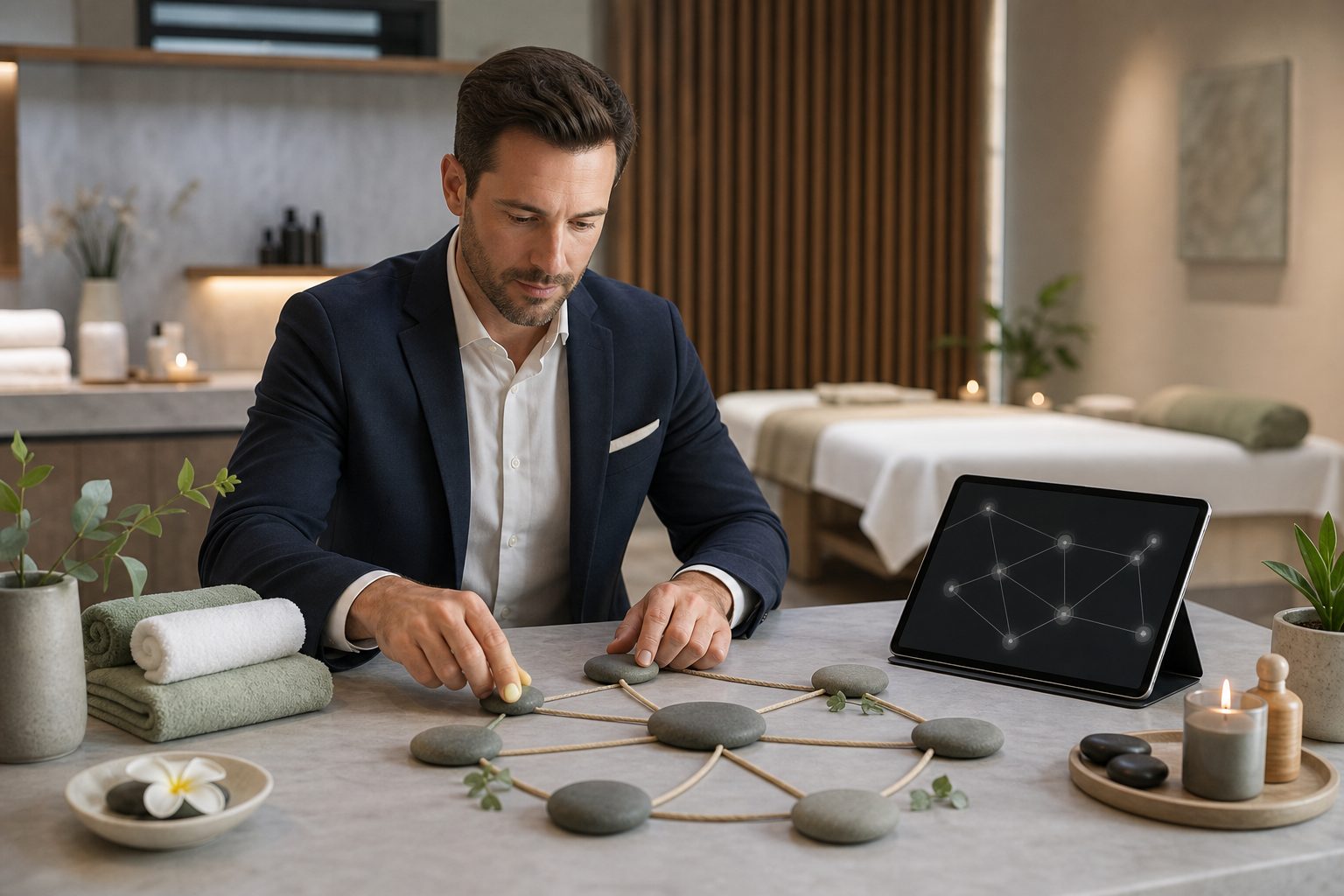
Learning how to optimize internal linking for spas helps your website guide visitors from general interest to booked appointments with less friction. A spa website usually has many useful pages, including massage services, facials, body treatments, packages, gift cards, memberships, booking information, location pages, and blog posts. When these pages connect clearly, search engines can better understand your site, and visitors can find the right treatment faster. Internal linking is not about adding random links everywhere. It is about building a thoughtful path between related pages so each page supports the next step in the client journey. In this guide, you will learn what internal linking means for spas, why it matters, how to plan your structure, where to place links, what mistakes to avoid, and how to keep improving your links over time.
What Internal Linking Means For Spa Websites
Internal linking for spas means connecting pages within the same website in a way that helps visitors and search engines move through your content logically.
1. Connecting Service Pages Clearly
Your service pages should not sit alone. A massage page can point visitors toward deep tissue massage, couples massage, add-ons, pricing, and booking information. This helps users compare options without returning to the main menu every time they want more detail.
2. Guiding Visitors To Booking Pages
The most useful internal links often guide readers toward booking-related pages. After someone reads about a facial, body wrap, or spa package, the next logical step may be checking availability, treatment length, preparation details, or consultation information before making a decision.
3. Helping Search Engines Read Your Site
Search engines use internal links to discover pages and understand relationships between topics. If your aromatherapy massage page is linked from massage, wellness, and relaxation content, it becomes easier for search engines to see where that page fits in your spa website.
4. Creating A Better Client Journey
A good spa website should feel calm and easy to explore. Internal links support that experience by moving visitors from broad information to specific choices. Someone researching stress relief may naturally move toward massage, sauna, memberships, or gift card pages.
5. Supporting Important Revenue Pages
Some pages matter more to your business because they drive bookings or inquiries. Internal links can send more attention to these pages from blogs, seasonal pages, treatment guides, and related services, helping them become stronger parts of your website structure.
6. Reducing Dead Ends On The Site
A page with no helpful next step can cause visitors to leave. Internal linking reduces dead ends by giving readers another useful direction, such as learning about treatment benefits, reading aftercare advice, exploring packages, or moving toward appointment information.
Why Internal Linking Matters For Spa SEO
Internal links affect visibility, usability, and conversions, which makes them especially valuable for local spa businesses competing for treatment-based searches.
1. It Improves Page Discovery
If a page is buried deep in your site and few pages point to it, search engines may not find it quickly or value it highly. Linking to important spa treatments from relevant pages makes discovery easier and keeps your site more connected.
2. It Builds Topical Relevance
Spas often cover related topics such as relaxation, skin care, wellness, pain relief, and beauty treatments. Internal links show how these subjects connect. This helps your website look more complete and useful around the services your ideal clients search for.
3. It Shares Page Authority
Pages that earn attention can support other pages through internal links. For example, a popular blog post about massage benefits can help visitors discover your massage services. This creates a practical connection between educational content and business-focused pages.
4. It Increases Time On Site
When visitors find useful next steps, they are more likely to keep browsing. A person reading about facial aftercare may also explore hydrating facials, sensitive skin treatments, memberships, or seasonal offers, which gives them more confidence before booking.
5. It Helps Local Clients Take Action
Many spa searches have local intent. Visitors want to know what you offer, where you are, how treatments work, and how to schedule. Internal links can connect service details with location, pricing, policies, and booking pages in a helpful way.
6. It Improves Content Value
Helpful content becomes stronger when it connects to related resources. A blog post about stress relief is more useful when it points readers toward massage options, relaxation packages, or wellness memberships. This makes the content feel complete instead of isolated.
Plan Your Spa Internal Linking Structure
A strong internal linking plan starts with organizing your pages by importance, topic, and client intent.
1. Start With Core Service Categories
Begin by identifying your main service categories, such as massage, facials, body treatments, waxing, wellness therapies, and spa packages. These category pages should act as central hubs that lead visitors to more specific treatments and related information.
2. Group Related Treatments Together
Related treatments should connect naturally. A Swedish massage page can connect to deep tissue massage, aromatherapy massage, and couples massage when those options help visitors compare choices. This structure supports both user experience and search engine clarity.
3. Connect Blog Content To Services
Blog posts should not exist only for reading. A post about dry skin can guide readers toward hydrating facials or body treatments. A post about muscle tension can support massage pages when the connection is useful and relevant.
4. Prioritize Booking And Contact Paths
Every important service page should make the next step easy. Internal links can guide visitors toward booking, consultation details, spa policies, preparation instructions, or location information, depending on what a client needs before feeling ready to schedule.
5. Use Location Pages Carefully
If your spa has multiple locations, each location page should connect with the services available there. Avoid sending visitors to irrelevant treatments that are not offered at that location, because that creates confusion and weakens trust.
6. Review Old Pages Regularly
Older blog posts, outdated promotion pages, and underused treatment pages often contain missed linking opportunities. Reviewing them every few months can uncover places to add helpful connections to newer services, stronger pages, or updated booking information.
Best Pages To Link On A Spa Website
Some spa pages deserve special attention because they help visitors learn, compare, trust, and book.
- Main Service Pages: These pages explain your primary treatments and should connect to detailed treatment pages, add-ons, packages, and booking information.
- Detailed Treatment Pages: These pages should link to related services, preparation guidance, aftercare content, and relevant package options.
- Blog Posts: Educational articles can support service pages by answering client questions and guiding readers toward relevant treatments.
- Package Pages: Spa packages should connect to the individual services included, gift cards, memberships, and booking details.
- Location Pages: Local pages should connect to available services, staff information, directions, and practical visit details.
- Policy And FAQ Pages: These pages can support booking decisions by connecting visitors to cancellation rules, preparation advice, and appointment expectations.
How To Optimize Internal Linking For Spas Step By Step
Use a simple process so your internal links feel natural, useful, and aligned with the way clients make decisions.
- List Important Pages: Write down your main services, booking page, location pages, packages, memberships, and strongest blog posts.
- Map Related Topics: Group pages by client need, such as relaxation, skin care, pain relief, beauty, gifting, or wellness routines.
- Find Missing Connections: Review each page and note where a related service, guide, policy, or booking step would genuinely help the reader.
- Use Descriptive Wording: Make the linked wording clear so visitors know what kind of page they will reach before they click.
- Link From Strong Content: Add helpful connections from popular blog posts and high-traffic pages to important service or booking pages.
- Avoid Overloading Pages: Add only links that support the reader’s next step. Too many choices can distract visitors and weaken the page experience.
- Check Links Often: Review your links after service changes, page updates, seasonal promotions, or website redesigns to prevent broken paths.
Examples Of Internal Linking For Spas
Examples make it easier to see how internal linking can support real spa website pages without feeling forced.
1. Massage Blog To Massage Service Page
A blog post about stress relief can naturally guide readers toward your massage service page. This works because the reader is already interested in relaxation and may want to compare treatment styles, session lengths, benefits, and booking options.
2. Facial Page To Skin Concern Pages
A facial service page can connect visitors to pages about acne, dryness, sensitivity, or anti-aging treatments. This helps clients choose based on their actual concern instead of guessing which facial name best matches their skin needs.
3. Package Page To Individual Treatments
A spa package page should explain what is included, but it can also guide visitors to each individual treatment page. This helps clients understand the value of the package and feel more confident before booking a longer experience.
4. Gift Card Page To Popular Services
People buying gift cards may not know which treatment the recipient wants. Helpful internal links to popular services, packages, and seasonal treatments can make the gift feel more personal while keeping the buying process simple.
5. Location Page To Available Treatments
If your spa serves more than one area, each location page should guide visitors to services available at that branch. This prevents confusion and supports local search intent by connecting place-based content with treatment-based information.
6. Aftercare Guide To Follow-Up Services
An aftercare page for facials or body treatments can guide clients toward maintenance services, recommended treatment intervals, or membership options. This supports long-term client care without turning the page into a hard sales message.
Common Internal Linking Mistakes For Spas
Poor internal linking can confuse visitors, weaken important pages, and make your spa website harder to crawl.
1. Linking Only From The Main Menu
Navigation menus are useful, but they should not be your only internal linking method. Contextual links within page content help visitors move from one relevant idea to another while they are actively reading and comparing options.
2. Adding Too Many Links
Too many links on one page can overwhelm visitors and reduce clarity. A spa page should feel calm and focused, so each link should have a clear reason and support the next logical step in the client journey.
3. Using Vague Link Wording
Generic wording makes it harder for users and search engines to understand the destination page. Clear wording that describes the treatment, guide, package, or booking step is more helpful than unclear phrases that provide little context.
4. Ignoring Old Blog Posts
Older posts often continue attracting visitors, but many spas forget to update them. These pages can become strong internal linking opportunities when they are refreshed with connections to current services, packages, policies, or booking information.
5. Linking To Irrelevant Pages
Every internal link should make sense based on the reader’s intent. A waxing page does not need to point to every massage service unless there is a practical reason, such as a beauty package or full spa day option.
6. Forgetting Broken Links
When services change or pages are removed, old internal links can break. Broken paths create frustration for visitors and may prevent search engines from reaching useful pages, so routine checks should be part of website maintenance.
Best Practices For Spa Internal Linking
These best practices help your internal links feel natural while supporting stronger search visibility and better booking flow.
1. Link Based On User Intent
Think about what the visitor needs next. Someone reading about massage benefits may want treatment options, while someone reading about appointment policies may need booking details. Internal links should match the mindset of the reader at that moment.
2. Keep Important Pages Close
Your most valuable service and booking pages should be easy to reach within a few clicks. If visitors must dig through many pages, they may leave before finding the treatment or appointment information they wanted.
3. Use Natural Page Context
Internal links work best when they appear in relevant sentences or sections. A link to a facial service makes sense inside content about skin care, but it may feel forced in a paragraph about massage recovery.
4. Balance SEO And Readability
Search visibility matters, but visitors come first. Avoid awkward wording or repeated keyword-heavy phrases. The best internal links read naturally, help people explore, and give search engines enough context without making the content feel robotic.
5. Support New Pages Quickly
When you publish a new service, package, or guide, add internal links from existing relevant pages. This helps search engines discover the page and helps visitors find the new offer without waiting for menu updates alone.
6. Audit Links After Website Changes
Redesigns, service updates, and seasonal changes can affect internal links. After any major website update, review key pages to make sure links still point to accurate, relevant, and useful destinations for spa clients.
Advanced Spa Internal Linking Tips
Once the basics are in place, advanced internal linking can make your spa website more strategic and easier to improve over time.
1. Build Topic Clusters Around Services
Create clusters around major services such as massage, facials, and body treatments. Each cluster can include service pages, educational posts, aftercare guides, package pages, and FAQs that connect together in a logical way.
2. Use Seasonal Pages Strategically
Seasonal content about holiday gifts, summer skin care, or winter wellness can support core pages when linked thoughtfully. After the season ends, update the page or redirect attention toward evergreen services that remain useful year-round.
3. Strengthen Underperforming Pages
If an important service page receives little traffic, review whether enough relevant pages point to it. Adding useful links from stronger content can help the page become easier to discover and more connected to your site’s structure.
4. Match Links To Treatment Journeys
Clients often move from problem to solution. A visitor may start with back pain, then compare massage types, then check pricing, then book. Internal links should reflect that journey instead of sending everyone to the same page.
5. Link Between Complementary Services
Complementary treatments can support each other when the connection is helpful. A facial page may mention massage as part of a relaxation package, while a body treatment page may guide visitors toward sauna or exfoliation services.
6. Track Engagement Signals
Look at which pages visitors enter, where they go next, and where they leave. These patterns can reveal whether your internal links are guiding people well or whether important pages need clearer paths and stronger placement.
Frequently Asked Questions
1. How Many Internal Links Should A Spa Page Have?
There is no perfect number for every page. A short service page may need only a few helpful internal links, while a detailed guide may support more. The key is relevance, clarity, and whether each link helps the visitor continue their journey.
2. Should Spa Blog Posts Link To Service Pages?
Yes, when the connection is useful. A blog post about relaxation, skin care, muscle tension, or wellness can naturally guide readers to related services. This helps educational content support real business goals without making the article feel overly promotional.
3. Can Internal Linking Help Local Spa SEO?
Internal linking can support local SEO by connecting location pages with available services, booking details, and relevant local information. It helps search engines understand which treatments belong to which location and helps visitors find practical details faster.
4. What Is The Biggest Internal Linking Mistake Spas Make?
The biggest mistake is adding links without thinking about the client’s next step. Random links can distract visitors and weaken the page experience. Every link should have a clear purpose, such as explaining a treatment, comparing options, or helping someone book.
5. How Often Should A Spa Audit Internal Links?
A spa should review internal links at least every few months and after any major website change. Service updates, deleted pages, new offers, and seasonal content can all create broken or outdated links that need to be fixed.
6. Do Internal Links Need Special Wording?
The wording should be clear, natural, and descriptive. Visitors should understand where the link will take them before they click. Avoid vague phrases and avoid repeating the same exact wording too often, because natural variety reads better.
Conclusion
Optimizing internal linking for spas is about creating a clear, helpful path through your website. Strong links connect service pages, blog posts, packages, locations, policies, and booking information in a way that supports both search engines and real visitors.
Start with your most important pages, connect related content thoughtfully, avoid clutter, and review your links regularly. When internal linking is planned well, your spa website becomes easier to explore, easier to understand, and more effective at turning interest into appointments.